Starter Tack Part 3
Think about it, we can feel something as small and weightless as a fly land anywhere on our bodies!
That's pretty impressive if I do say so myself...which I do!
With this incredible sensitivity in mind, lets discuss today's topic, cinches (or girths, depending on what style of riding you do)!
Obviously when learning to carry a saddle, we young horses must also learn to wear a cinch at the same time.
In my Mommy's opinion all horses (western or english) should be taught to carry a back cinch as well as a front one in case the horse is ever asked to wear one in the future.
Mom's way of teaching us this is by starting (again) with a lead rope or soft long line. She wraps it loosely around our flanks, if we are OK with it, she will tie a relatively loose knot and attach the clip on the line to the cinch (we are normally already saddled).
After we gotten used to working at all gaits around a round pen like this, we graduate to a real back cinch (or for an english horse she may stop here, it depends).
Surprise, surprise, Mommy prefers to softer, lighter options (both front and back cinches).
Something not many humans seem to know, is that the material, width and shape of a cinch CAN have an affect on how well we carry it.
If a cinch (or girth) is too narrow it can pinch and make us uncomfortable.
The types of cinches (and girths) Mommy likes include:
Mohair cinches
 |
| 5 Start Y Cinch-Woven Roper Cinch (Example of a Mohair Cinch front and back) |
 |
| Professionals Choice RCS SMx Comfort Fit Roper Cinch (Example of a Fleece Lined Cinch) |
 |
| Neoprene Classic Equine Cinch (Example of a Neoprene Cinch) |
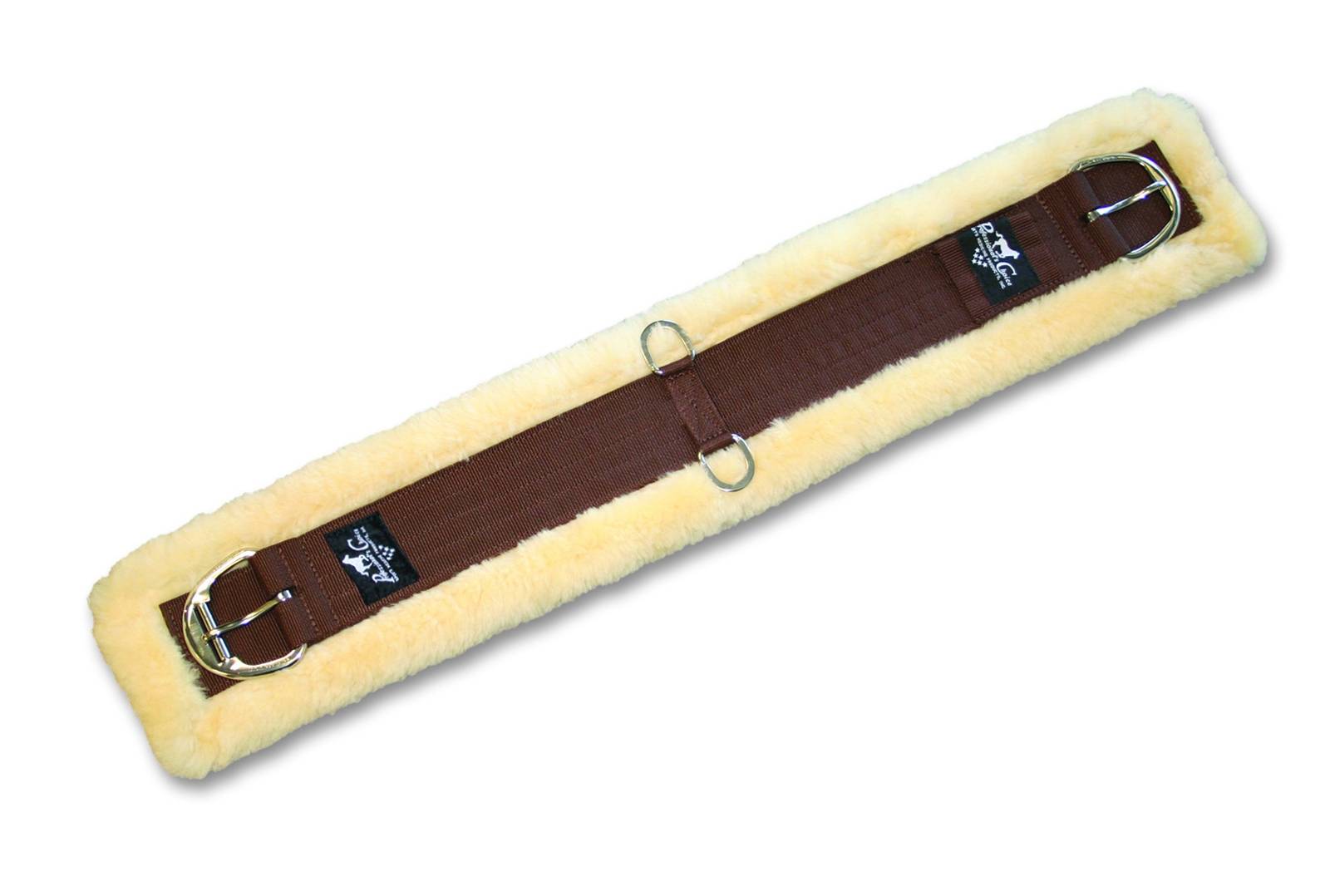 |
| Lettia Western Memory Foam Cinch (Example of a Memory Foam Cinch) |
Remember! Price doesn't always reflect quality or comfort! Make sure you examine and test the product yourself before buying it in bulk.


Comments
Post a Comment